Research, analysis, and practical insights on shelf execution, out-of-stock reduction, planogram compliance, and the future of retail visibility — for retailers and CPG brands who need to know what’s really happening in the aisle.
Four different products get sold under the same name, and they answer four different questions. What each one measures, what it structurally cannot see, and how to route your question to the right category.
Compliance peaks the day the reset is finished — and what follows isn’t random decay, it’s a process signature. The five events that move a facing off plan, and why your audit cadence matters more than your compliance score.
The pillar guide to planogram compliance — what a planogram is, the compliance formula, the six shapes of non-compliance, the three measurement methods compared, and the two drift mechanisms that quietly break the plan between audits.
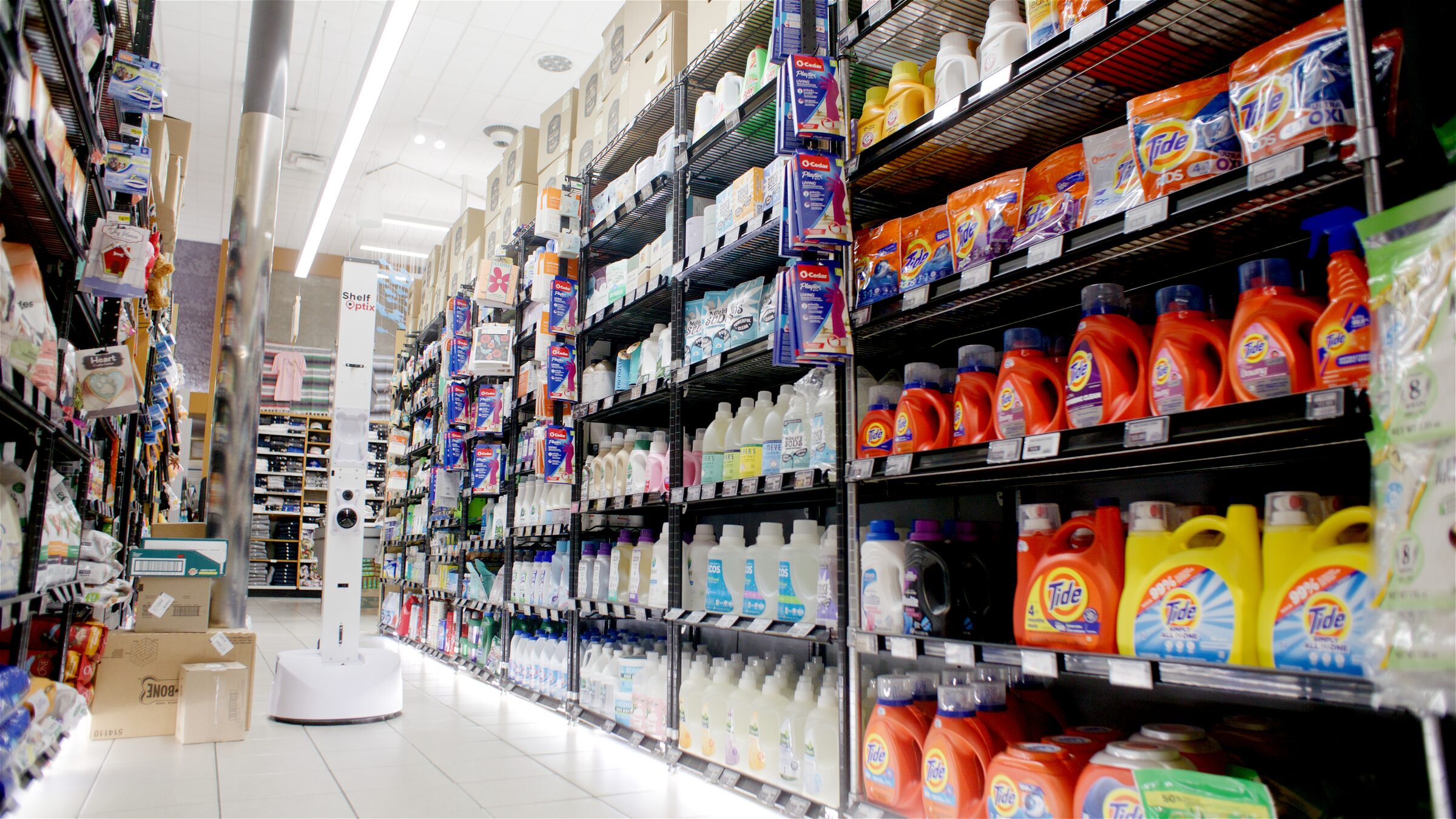
The industry was promised that automated platforms would capture in-store reality — yet widespread scaling never happened. The three failures of the robot-ownership model — and how the managed, human-escorted model fixes each one.
The method guide to retail cycle counting — ABC analysis vs. random sample vs. control group, the count-accuracy formula, cadence design your stores can actually execute, and where manual counting hits its ~85% ceiling.

Ahead of the June 25–27 MIDA Conference & Food Show in San Juan, the three operational shifts we expect to define the executive conversations — phantom inventory remediation, frictionless zero-CapEx automation, and precision trade-spend execution.
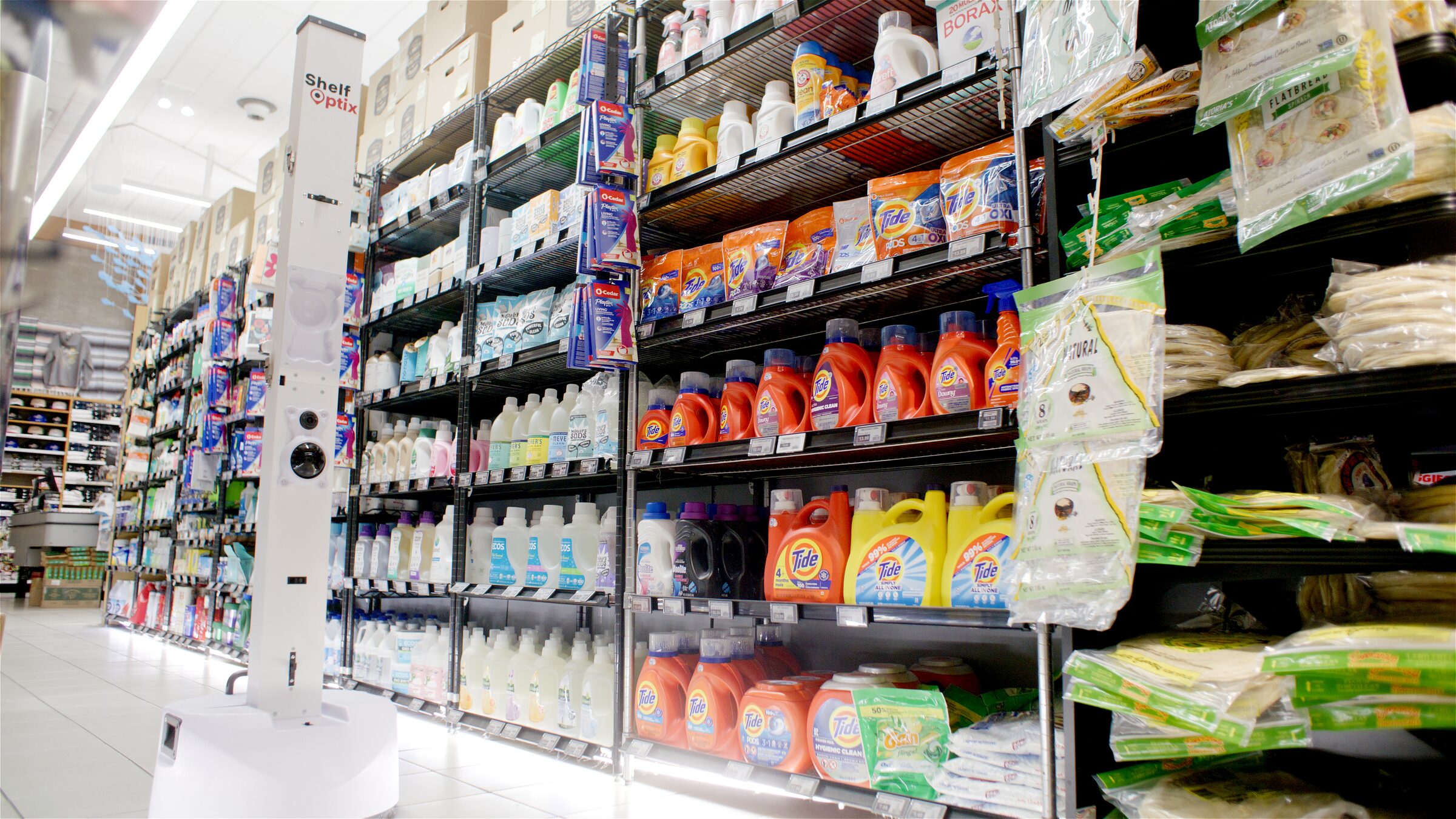
The named mechanism that connects inventory accuracy failure to on-shelf availability failure — the five failure modes inside the store, the four detection methods, and the four-step fix that closes the restock gap at the shelf.
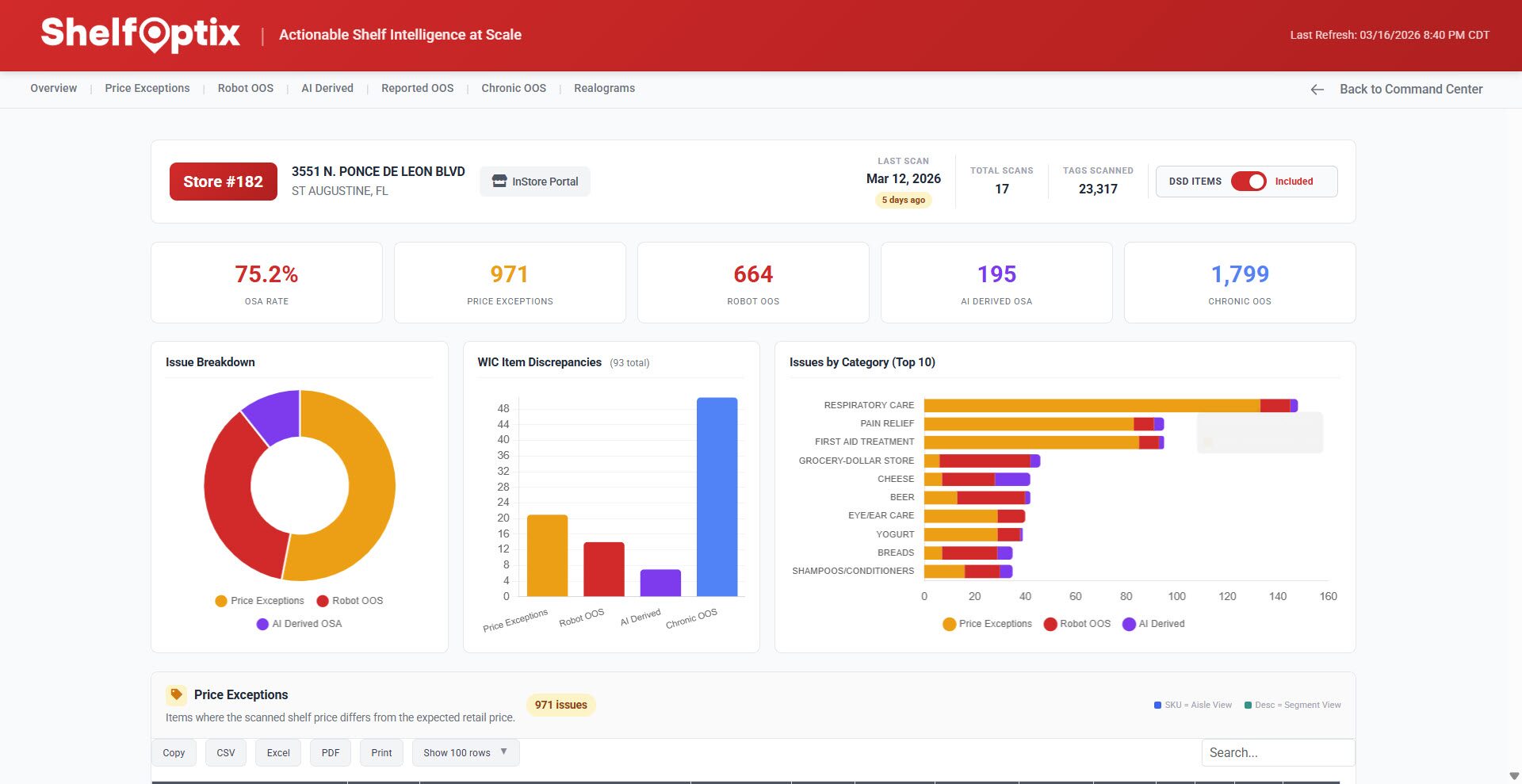
The pillar guide to store-level inventory accuracy — what it really measures, how it differs from on-shelf availability, why the industry average sits near 63%, and the five methods that actually close the gap at the shelf.
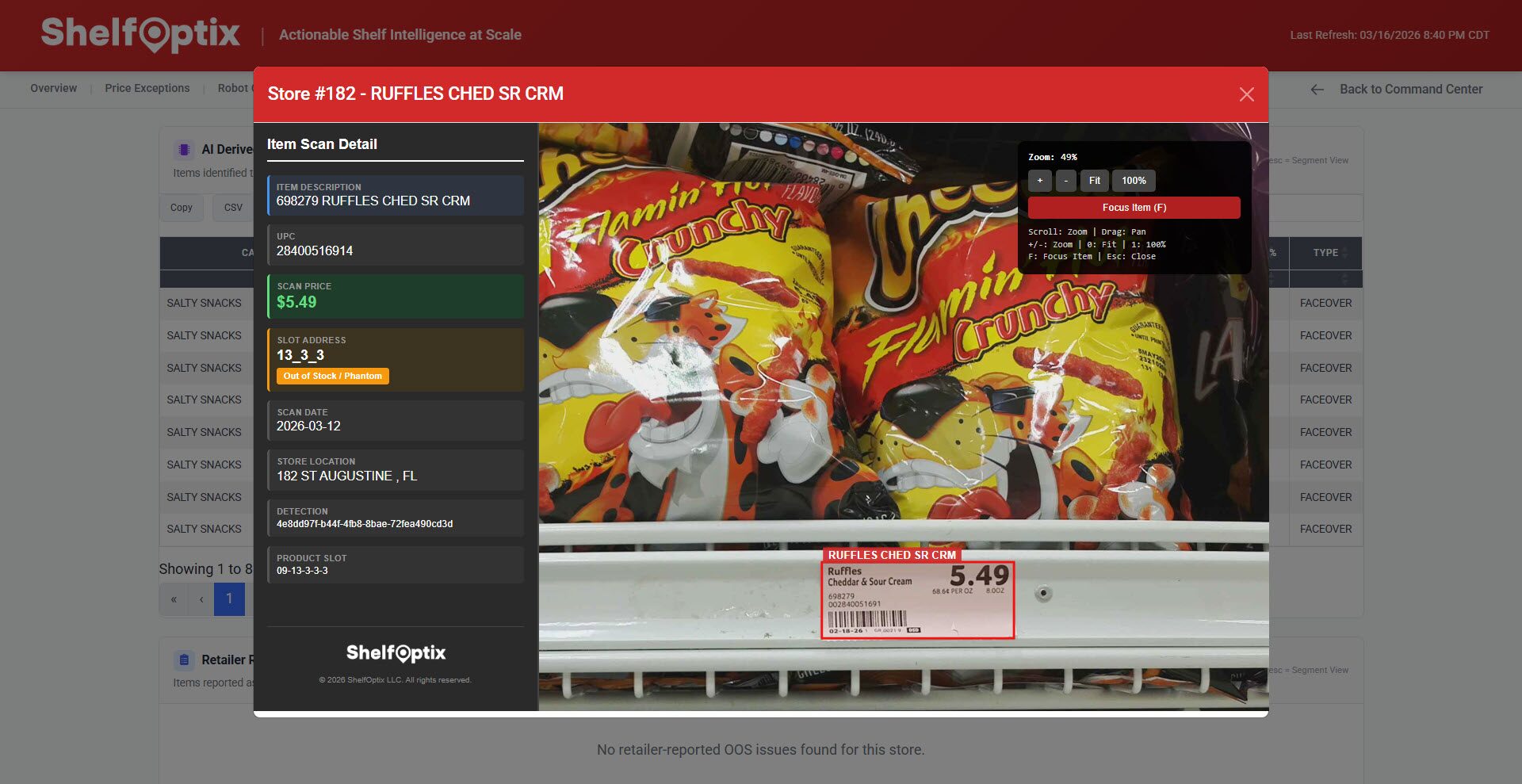
Standalone retail AI vision often creates data fatigue instead of solving it. Here’s why a managed Scan → Insights → Action model is the only way to close the gap between digital inventory and the physical shelf.
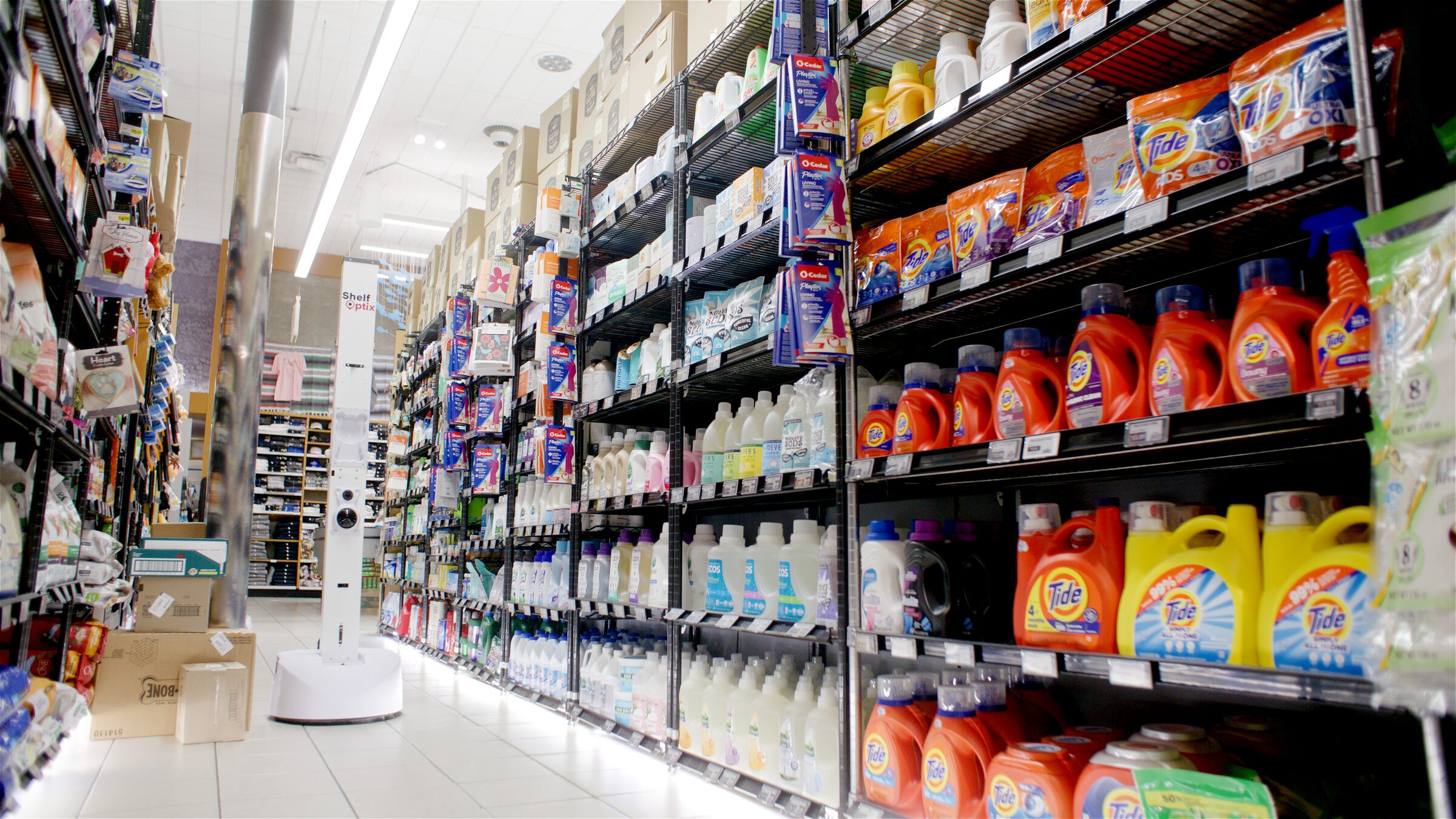
The pillar guide to the single largest distorter of OSA — the five causes, why POS/IMS/ceiling cameras can’t see it, and how retailers actually detect it at the shelf.
A vendor-neutral buyer’s guide — eight criteria that actually predict outcomes, a head-to-head comparison grid across the eight vendors you’ll likely encounter, and a 10-question RFP checklist.
The pillar guide to OSA — what it really means, how it’s measured (and mismeasured), why industry averages still sit near 92%, and the practices that separate best-in-class retailers from the pack.
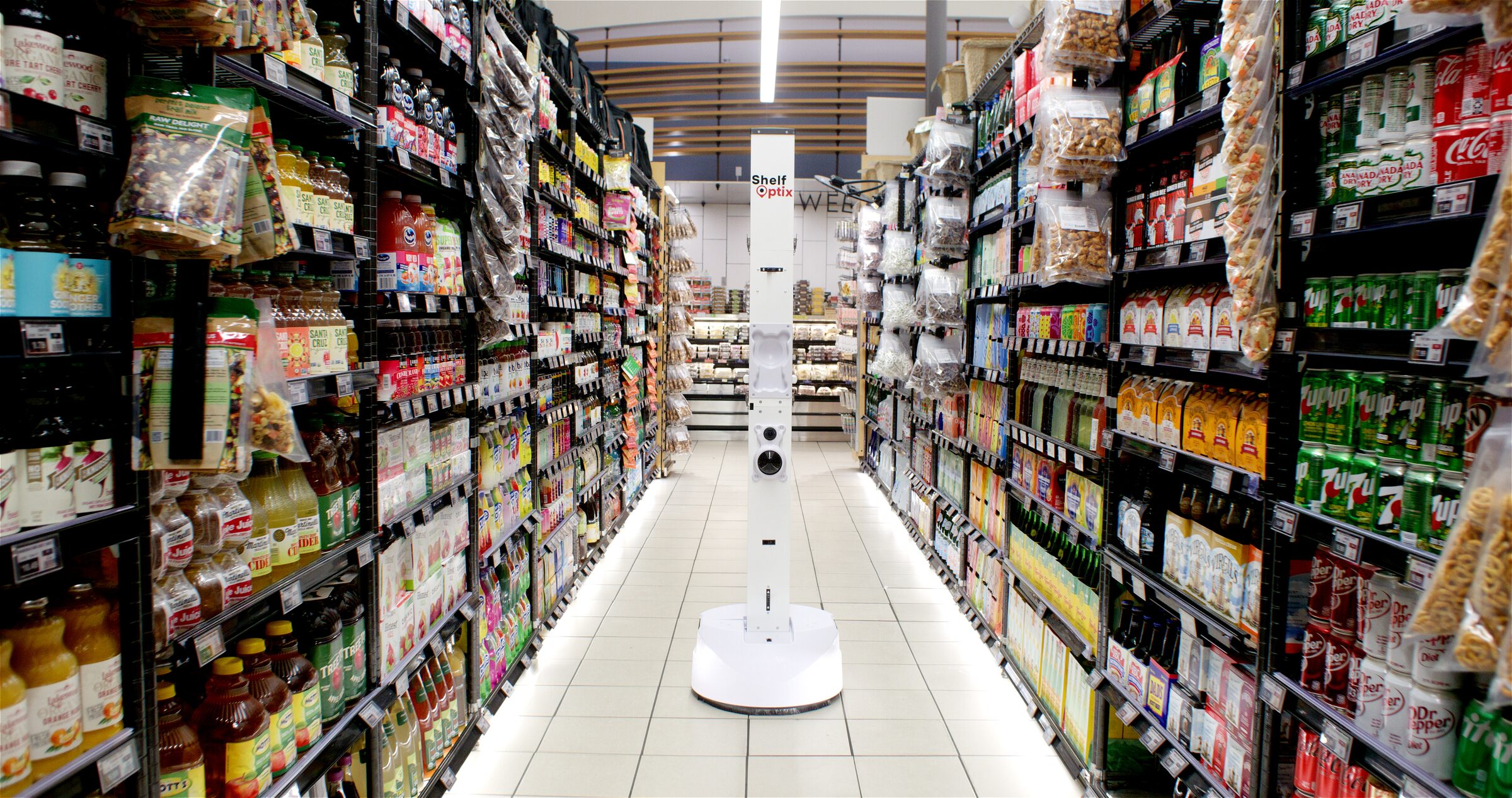
The global AI in retail market is projected to reach $55.53 billion by 2030. Here’s how artificial intelligence is reshaping personalization, pricing, inventory accuracy, and shelf monitoring across the store.
AI-powered computer vision is reshaping retail — from $1.77 trillion in annual inventory distortion to systems that detect misplacements in milliseconds.
IHL Services research shows 67% of retailers face weekly execution issues — and the problem compounds at scale. Here’s what the gap looks like and how ground-truth shelf visibility closes it.
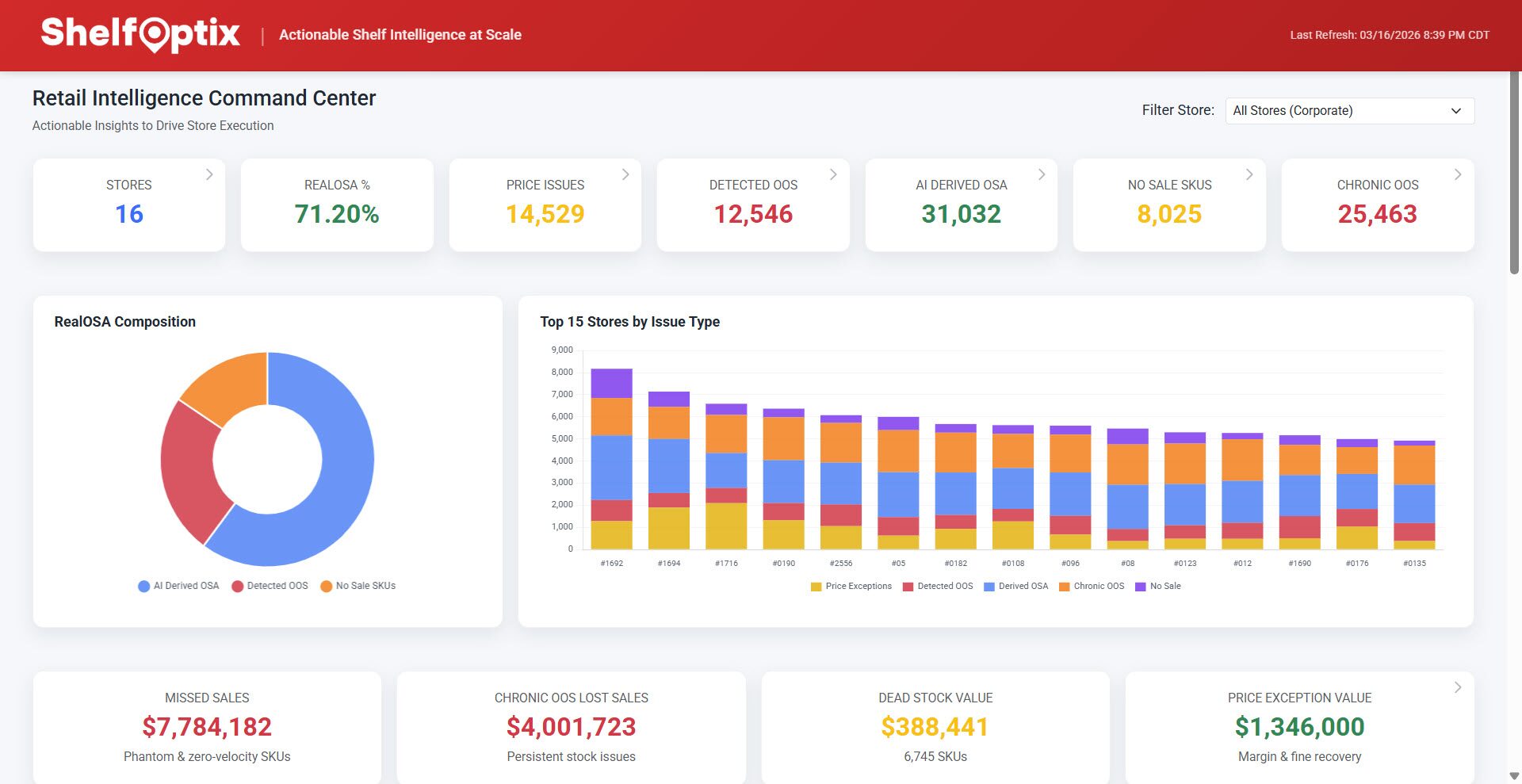
See how ShelfOptix delivers the shelf intelligence retailers and brands need to take action — at scale, without the operational burden.
Thanks for reaching out. A member of the ShelfOptix™ team will be in touch with you right away.