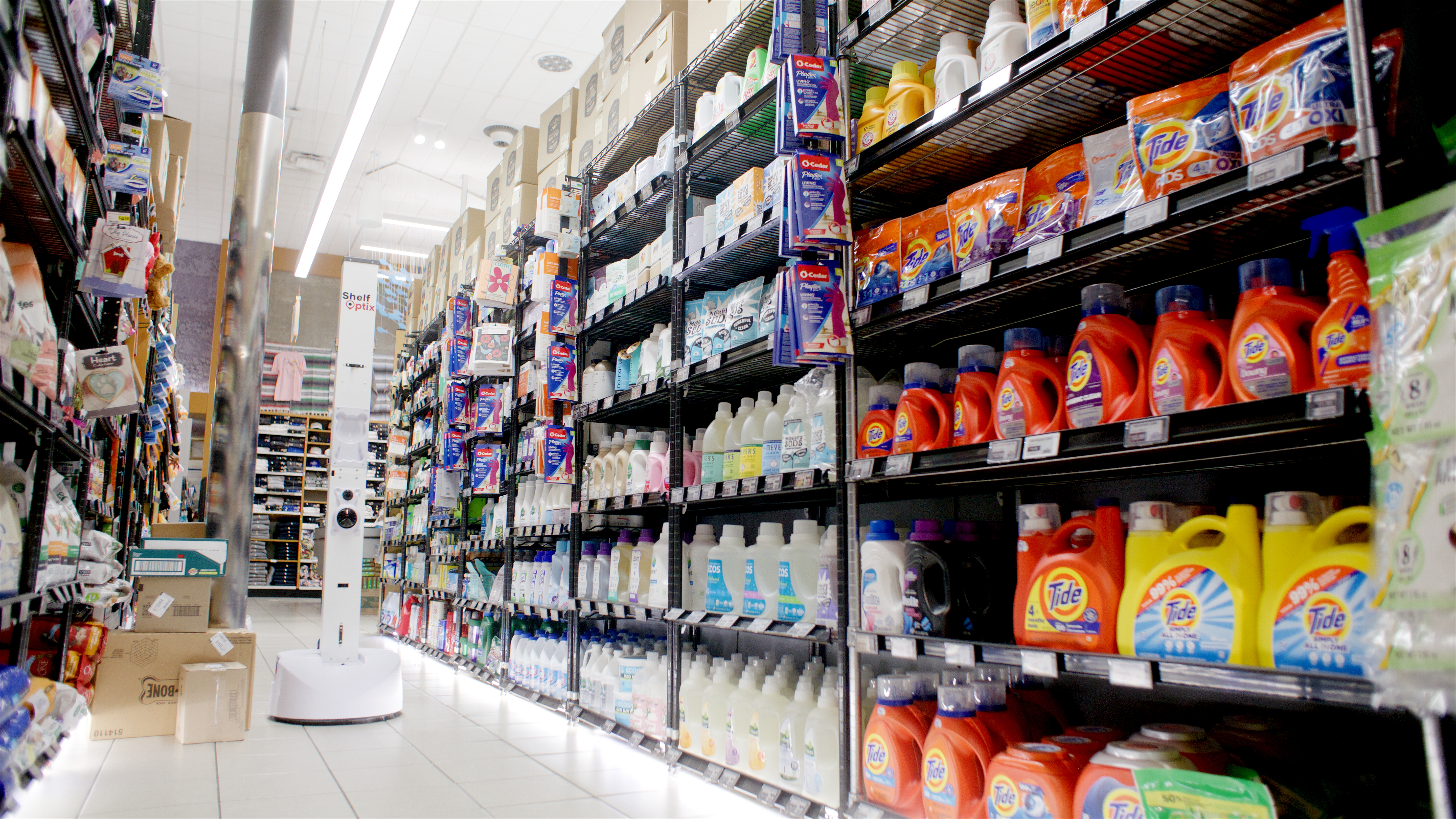
The MIDA Conference & Food Show is the operational barometer for food and retail across Puerto Rico and the Caribbean. Ahead of the June 25–27 summit in San Juan, here are the three shifts we expect to define the executive conversations.
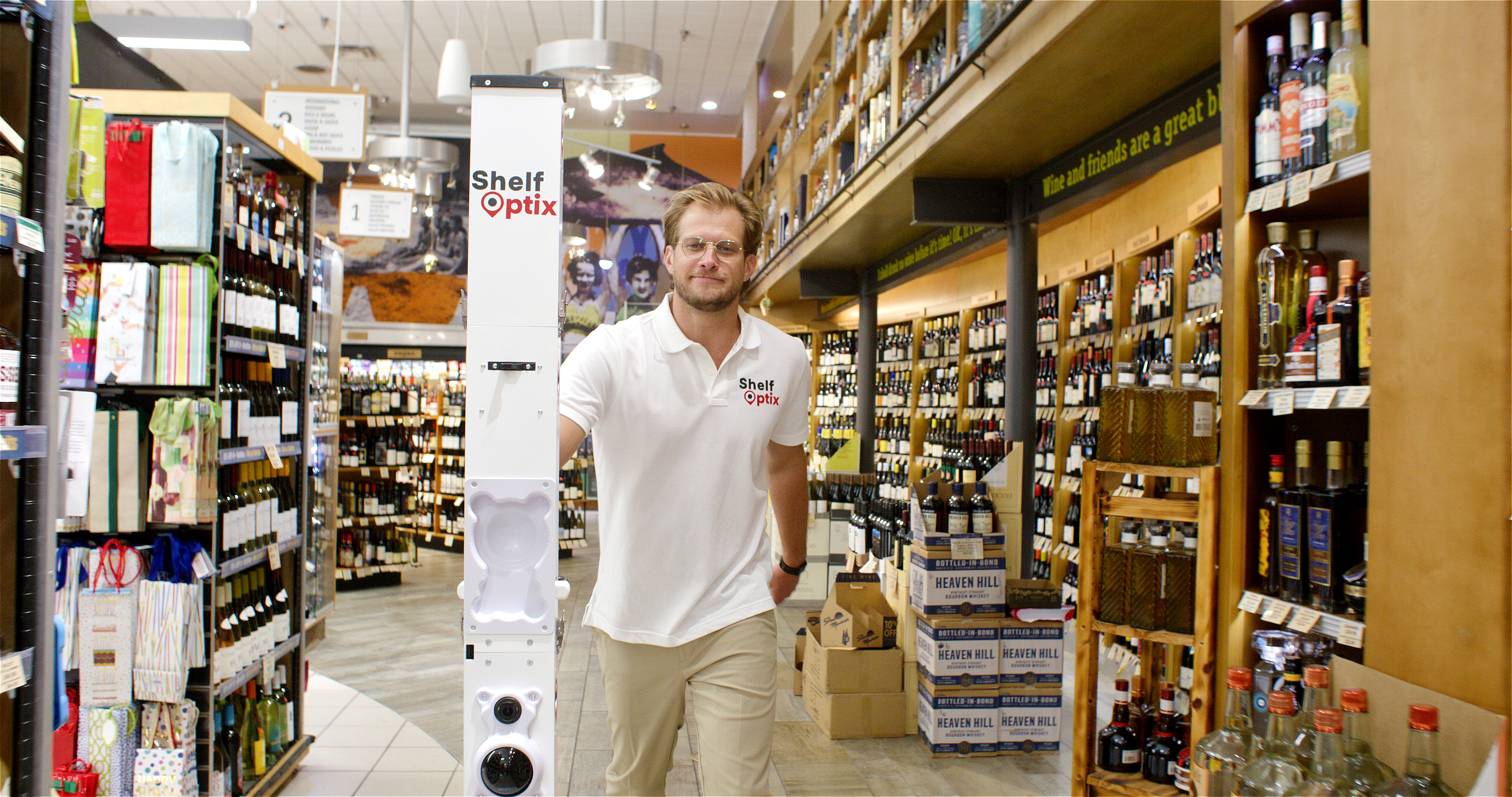
The MIDA Conference & Food Show serves as the primary operational barometer for the food and retail industry across Puerto Rico and the Caribbean. Scheduled for June 25–27 at the Puerto Rico Convention Center, the 2026 event arrives at a critical inflection point for grocery supply chains.
With the upcoming release of MIDA’s “Consumer X-Ray” (Radiografía del Consumidor) report, industry leaders are preparing to address structural shifts in consumer demand, labor constraints, and the persistent challenges of an import-driven market. Ahead of the summit, ShelfOptix has been analyzing the specific operational friction points facing island retailers. Here are the three operational trends we predict will define the executive conversations at MIDA 2026.
Puerto Rico’s reliance on imported goods creates a high-stakes supply chain environment with zero tolerance for inventory distortion. Unlike the US mainland, where Out-of-Stocks (OOS) can be quickly mitigated by rapid regional distribution center deliveries, island retailers must contend with extended port lead times, complex hurricane stocking mandates, and a scarcity of local Distribution Centers (DCs). In this unforgiving ecosystem, ShelfOptix’s core differentiator is clear: identifying and correcting a supply breakdown before a shelf void registers as a lost sale.
The industry is moving past the assumption that perpetual inventory (PI) systems reflect physical reality. The focus at MIDA will center on phantom inventory — instances where the system count overstates physical stock, freezing automated reordering mechanisms while the shelf sits empty. Retailers are recognizing that legacy PI systems cannot self-correct these gaps.
The strategic pivot is toward ground-truth shelf intelligence: verifying On-Shelf Availability (OSA) at the SKU level, completely decoupled from the warehouse management system, to trigger immediate, precise replenishment.
“On an import-driven island, the goal is simple: correct the supply breakdown before a shelf void ever registers as a lost sale.”
Labor constraints remain a structural headwind across the grocery sector. Previous attempts to solve replenishment challenges within the last 100 feet relied on fixed-install robots. However, operational reality has demonstrated the limitations of this model: unattended hardware frequently obstructs aisles, requires constant store-level intervention, and imposes significant capital expenditure (CapEx) burdens.
We anticipate MIDA attendees will prioritize frictionless automation. The operational requirement is the precision of 3D LiDAR and AI analytics, delivered without the implementation drag of fixed infrastructure. This aligns with the rapid adoption of pure operational expenditure (OpEx) models.
Human-escorted robotic scanning — where a device maps the store and audits planogram compliance under the guidance of a trained associate, then exits the location — delivers the required data density without adding a single maintenance task to the store team’s operational load.
As inflationary pressures reshape consumer purchasing behaviors — a dynamic expected to feature prominently in the 2026 Consumer X-Ray — price sensitivity is acute. Brands are allocating heavy trade spend toward promotions, temporary price reductions (TPRs), and prominent displays to capture market share.
The operational breakdown occurs at the shelf edge. The disconnect between negotiated trade agreements and physical execution (e.g., missing promotional tags, incorrect MSRP) represents a massive leakage in trade ROI.
At MIDA, the conversation will shift from manual, sample-based auditing to scalable, automated price verification. Distributors and brands require empirical proof that their trade investments are accurately reflected at the shelf, across every retail banner.
The last 100 feet of the retail supply chain — the distance between the backroom and the shelf face — determines whether upstream logistics translate into realized revenue. ShelfOptix isolates and resolves this gap through fully managed, zero-CapEx shelf intelligence.
Our team of retail analytics specialists will be on the ground at the Puerto Rico Convention Center for MIDA 2026. We invite retail operators and brand leaders to connect with us to discuss how human-escorted robotic auditing can baseline and correct your on-shelf reality.
The MIDA Conference & Food Show 2026 takes place June 25–27, 2026 at the Puerto Rico Convention Center in San Juan. It is the primary operational gathering for the food and retail industry across Puerto Rico and the Caribbean.
The Consumer X-Ray (Radiografía del Consumidor) is MIDA’s recurring study of consumer behavior in Puerto Rico. The 2026 edition is expected to focus on how inflationary pressure is reshaping purchasing behavior, price sensitivity, and demand across the island’s import-driven grocery market.
Puerto Rico’s reliance on imported goods creates a high-stakes supply chain with very low tolerance for inventory distortion. Unlike the mainland, where out-of-stocks can be corrected by rapid regional distribution center deliveries, island retailers contend with extended port lead times, hurricane stocking mandates, and a scarcity of local distribution centers. That makes detecting and correcting a shelf void before it becomes a lost sale far more urgent.
Human-escorted robotic scanning is a model in which a mobile device maps the store and audits on-shelf availability, pricing, and planogram compliance under the guidance of a trained associate, then exits the location. It delivers the data density of 3D LiDAR and AI analytics without the fixed-install robots, aisle obstruction, store-level maintenance, or capital expenditure of permanently installed hardware — a pure operational expenditure (OpEx) model.
ShelfOptix’s retail analytics specialists will be on the ground at the Puerto Rico Convention Center for MIDA 2026, June 25–27. Retail operators and brand leaders can request a meeting through shelfoptix.com to discuss how human-escorted robotic auditing can baseline and correct their on-shelf reality.
Our retail analytics specialists are on the ground in San Juan, June 25–27. Book a meeting to see how human-escorted robotic auditing baselines and corrects your on-shelf reality — phantom inventory, OSA, pricing, and planogram compliance — with no capital investment and no store labor.
Thanks for reaching out. A member of the ShelfOptix™ team will be in touch with you right away.