Snacks, soda, bread, and beer reach your store without passing through your warehouse. The receiving door is the only place anyone counts them, and when that count is rushed, the vendor's invoice becomes your inventory record.
A bread route driver backs up to your receiving door before the store opens. He wheels in eight trays, pulls yesterday's stale loaves off the shelf, fills the gaps, and hands your receiver a handheld to sign. The receiver has a beverage truck waiting and a snack vendor behind that. He signs. Whatever the driver's handheld says came in is now what your system says you own.
DSD stands for direct store delivery: the supplier ships straight to the store and skips the retailer's warehouse. That leaves your check-in at the back door as the only count between the vendor's invoice and your inventory record. When the count is rushed or skipped, any gap shows up months later as shrink.
Nothing was stolen in that scene. If two trays were short, or the stale credit was never keyed, the record is wrong from the moment the receiver signed. The next physical count will call the difference shrink, and the loss prevention team will go looking for a thief who does not exist. This is the vendor and process side of shrink that the four causes of retail shrink separate from theft, followed to the one door where most of it starts.
GS1 US, the standards body behind retail barcodes and EDI, defines direct store delivery as delivery from a supplier directly to the store, bypassing warehouses. Its guide names the major DSD categories as greeting cards, beverages, baked goods, and snacks. Beer and soft drinks travel the same way. The 1997 H-E-B pilot discussed below included two brewers and two soft-drink companies among its seven DSD manufacturers.
The supplier does more than drop cases. In the GS1 description, the seller's representative visits the store, decides what is needed, pulls product from the truck, and stocks the shelves. That is why the model exists. The supplier's route staff manage the shelf for their own brands, and short-dated products like bread spend no time in a distribution center.
It works for availability. A 2011 study by Willard Bishop for the Grocery Manufacturers Association's DSD committee found DSD in-stock levels of 98.2%, against about 94% across more than 100 comparable studies. And it is not a niche channel. Nielsen data reported in 2008 put DSD at 24% of grocery unit sales and 52% of retail profits, excluding Walmart. Those figures are old, and no one has published a newer national share, but they show how much of the store can arrive without a warehouse check.
A case that comes from your own distribution center has been received, put away, picked, and loaded by your people before it reaches the store. Errors still happen, but your systems created the shipment, so the store receipt can be checked against something you control.
A DSD delivery has none of that. The supplier creates the delivery record, and the store's check-in is the only independent count. GS1 US describes DSD check-in as done by both the brand owner or distributor and the retailer. In practice, a shared check can mean nobody checks. The driver assumes the receiver will catch an error. The receiver assumes the driver counted correctly, because the driver stocks the shelf anyway.
Time pressure makes it worse. A 1995 industry report on DSD found that about 54% of vendors were regularly stalled at the retailer's back door. When trucks stack up, the fastest way to clear the door is to sign.
Your store system then does what it was configured to do. In Oracle's current store inventory documentation, for example, on-hand inventory updates when a delivery is confirmed, and discrepancy checks run only for deliveries that have an expected quantity. Deliveries received on the fly, with no purchase order or advance ship notice behind them, are not checked for discrepancies at all. If the vendor's quantity is the only quantity in the system, nothing flags a short delivery.
Most of these are honest mistakes. Some are not. They all end in the same place: a record that no longer matches the shelf.
| What happens at the door | What the record shows | How the next count reads it |
|---|---|---|
| The receiver signs without counting, and the delivery is short | The invoice quantity, which is higher than what arrived | Unknown loss, often blamed on theft |
| Cases are keyed as units, or a 12-pack is received as a 24-pack | A quantity off by a multiple | A large variance on one item, or a surplus that hides a real loss |
| Stales and returns leave on the truck with no credit entered | Units still on hand that left the building | Shrink, plus a credit the vendor never paid |
| The vendor stocks the shelf first and check-in happens later, or never | A delivery with no expected quantity, so no discrepancy check | Whatever the vendor keyed becomes the record |
| The invoice cost differs from the agreed cost | The right units at the wrong cost | Margin loss that no unit count will find |
| Product goes out the back door with the empty trays | Units still on hand | Unknown loss, and this time it is theft |
Unit of measure deserves a second look. The GS1 US guide for DSD transactions allows delivery quantities in units, cases, dozens, or pounds. Each conversion is a place for a factor of 6, 12, or 24 to enter the record. An error like that does not look like shrink until the count, and then it looks like a large one.
Credits are the quietest leak. On many DSD routes the driver pulls out-of-date product and takes it back. The same transaction standard carries return and credit information, and GS1 places the final quantity adjustment at the end of check-in, after store staff validate what was delivered. If check-in ended at the signature, the adjustment never happened.
The best measurements of back-door loss are decades old. We found no study from the last ten years that measures DSD receiving error or compares DSD shrink with warehouse-delivered shrink. Treat the figures below as evidence that the problem is real and persistent, not as a current rate.
In the 1998 Supermarket Shrink Survey, which covered 319 companies and 7,259 stores, back-door receiving accounted for 9% of all supermarket losses in 1997. Retailers attributed 56% of that receiving shrink to vendor dishonesty and 44% to receiving errors by either the retailer or the vendor.
A year earlier, an H-E-B executive told Supermarket News that the chain had processed 54,000 DSD invoices in a single week, and that 35%, about 18,000, had a discrepancy or error. The figure came up in an article about a pilot meant to fix the problem. It was one retailer in one week, so it shows the scale of the paperwork, not an industry average.
Adrian Beck's 2016 report for the Retail Industry Leaders Association explains why this loss is hard to see. Delivery errors are measured by their effect on store inventory records, and they typically appear as unknown loss at the time of audit. Beck calls vendor and supplier fraud a notoriously difficult category to identify and measure with any precision. He also notes that retailers with direct-to-store vendors often negotiate an allowance with the vendor to compensate stores for the loss, a sign that the loss is settled in bulk rather than counted item by item.
A check that the driver and the receiver share can turn into a check that nobody does.
A short DSD delivery does not stay in the receiving log. The record now says you have more than you do. When the shelf runs out, the system still shows stock, so the reorder does not fire. That is phantom inventory, and it costs sales before it costs shrink.
Record errors of this kind are common across retail. A 2019 ECR Retail Loss study by Rekik, Syntetos, and Glock found inventory record inaccuracies affected about 60% of the SKUs analysed, and it named wrong and incorrect shipments among the causes. That study did not separate DSD from warehouse deliveries, but DSD is where a wrong shipment is least likely to be caught.
Months later the physical count finds the gap, books it as shrink, and gives it no cause. If you count once or twice a year, a short delivery from March and a shoplifted case from August land in the same number. The backroom has its own version of this problem, covered in the last 100 feet of replenishment. DSD loses units one step earlier, before they ever reach the backroom.
Start by giving the system an expected quantity before the truck arrives. When the vendor sends the delivery data ahead of time, by advance ship notice or the network exchange GS1 calls NEX, your system has something to compare against, and a short delivery becomes a flagged discrepancy instead of the new record. The handheld version, DEX, moves the same data from the driver's device to your receiving system at the door. The goal in the GS1 guide is a quicker check-in, and speed is what keeps receivers from waving trucks through.
Adoption has grown but was never universal. A 2005 GMA report found only 35% of large-format food retailers used any electronic DSD receiving. By 2010, about 80% to 90% of PepsiCo's large-format customers used advance ship notices, DEX, or NEX. Both figures cover large-format stores. Smaller chains and convenience stores were not measured.
Then make the count real. Count against the expected quantity, not against the driver's word, and do it before product goes to the shelf. If the vendor stocks first, count the shelf and the stales cart before the driver leaves. Key credits at the door and reconcile them weekly against vendor statements. Add DSD items to your cycle counts on the day after a vendor visit, when a delivery gap is easiest to trace.
Some retailers move the risk instead. Under scan-based trading, the supplier keeps ownership of the product until it scans at the register, so a loss between delivery and checkout is the supplier's problem. In the 1997 H-E-B pilot with seven DSD manufacturers, shrink on scan-based items averaged 0.07%, well below the chain's overall grocery shrink. A 2022 study in Manufacturing & Service Operations Management found that the model can shift shrink costs onto suppliers, which is why suppliers do not accept it everywhere.
None of this needs new security hardware. It needs a receiving process that someone owns, which is the same point the shrink reduction action plan makes about process and vendor error in general.
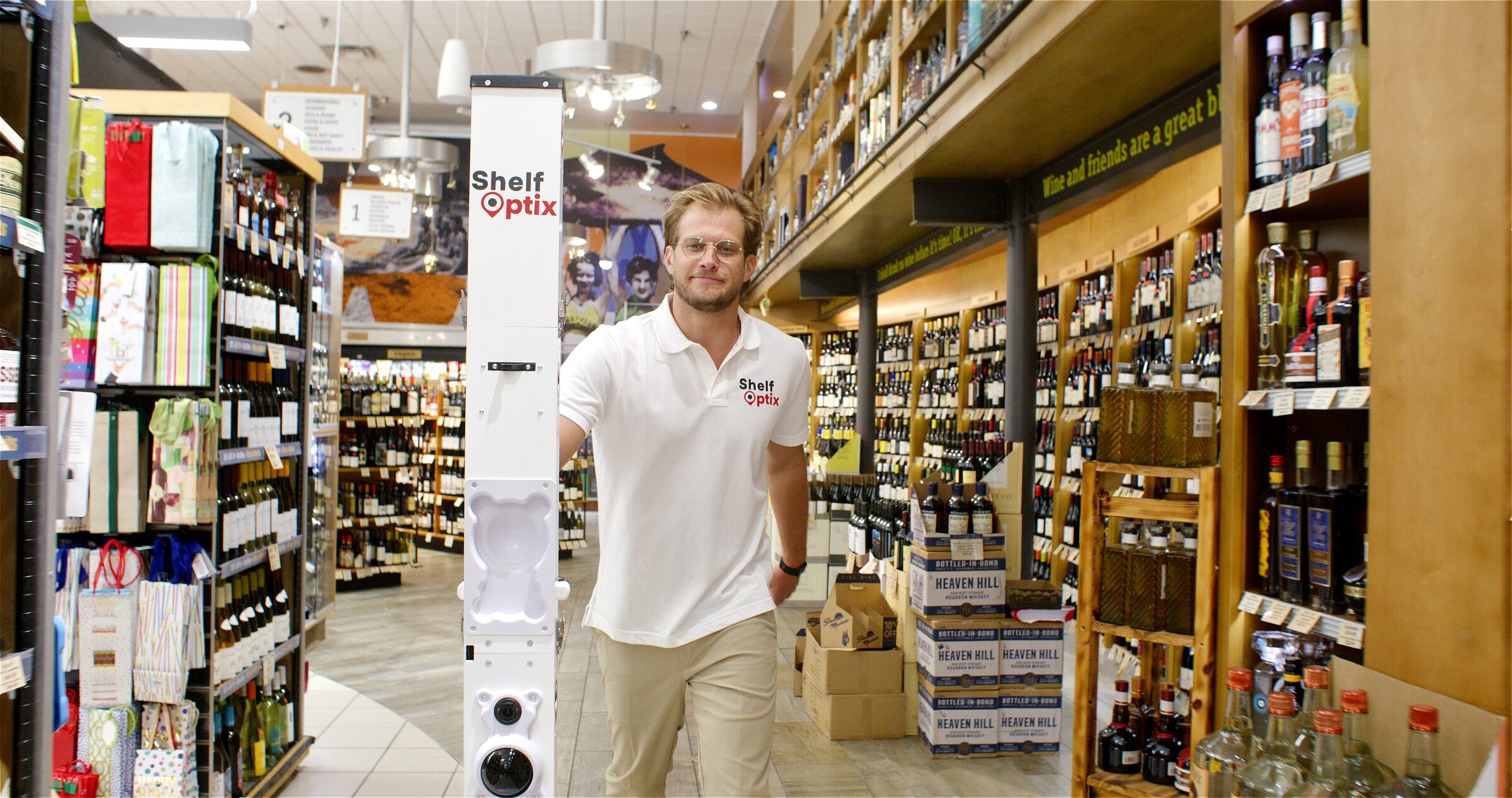
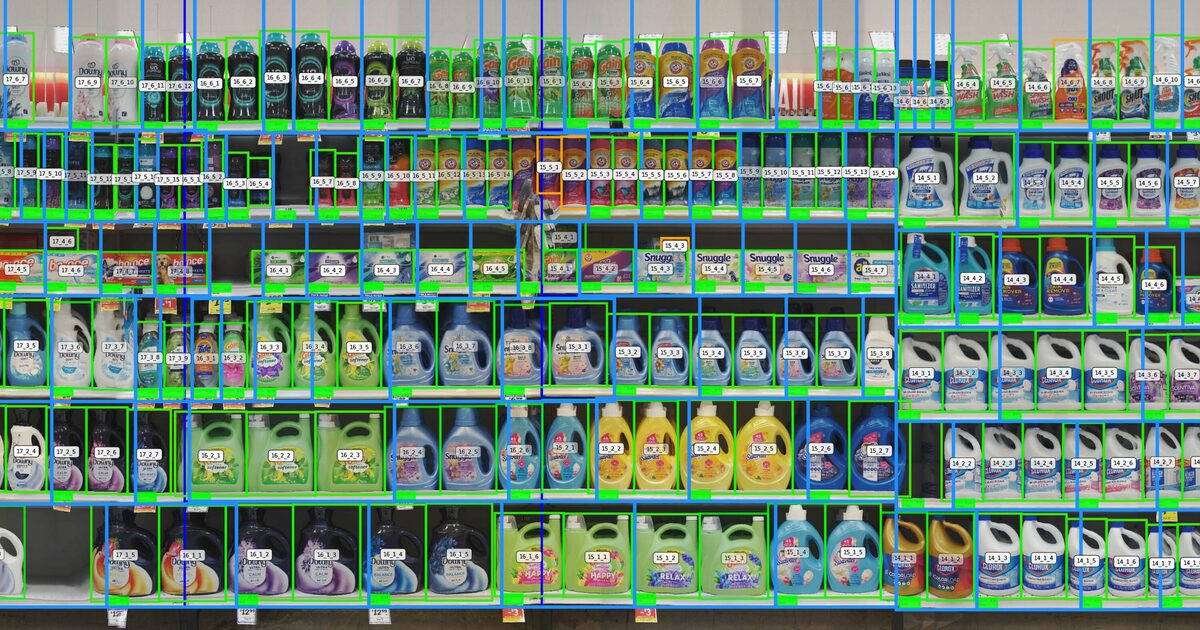
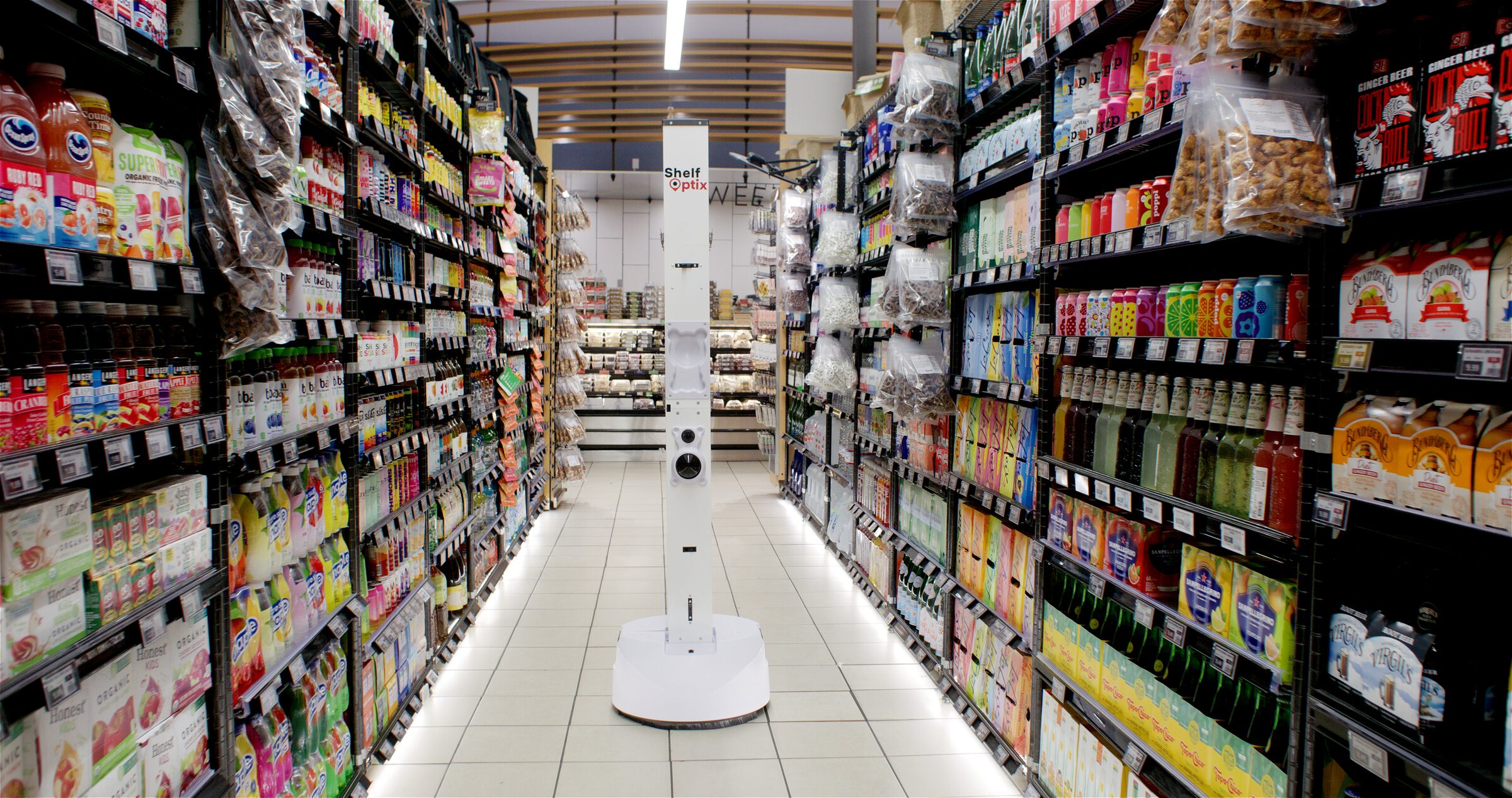
ShelfOptix does not count cases at the dock, read vendor invoices, or detect theft. It scans your shelves on a managed schedule with a human-escorted robot and reports where the shelf and the inventory record disagree.
That comparison is useful for DSD because timing tells you a lot. If the record shows full stock on a vendor's items the morning after a delivery and the shelf shows gaps, the delivery is the first place to look. If the gap grows slowly between deliveries, look at sales, waste, or theft instead. To compare providers that offer this kind of shelf-to-record check, use our guide to evaluating a shelf-intelligence vendor.
DSD stands for direct store delivery. The supplier delivers product straight to the store instead of shipping it through the retailer's warehouse or distribution center. Snacks, beverages, baked goods, and greeting cards are the main DSD categories named by GS1 US. In many DSD programs the supplier's route staff also stock the shelf.
Direct store delivery is a supply model in which a manufacturer or distributor ships directly to each store and often manages the shelf for its own brands. It keeps short-dated products like bread moving quickly and tends to keep shelves in stock. The trade-off is control: the store's check-in at the back door is the only independent count of what arrived.
DSD causes shrink when the delivery record and the delivered product do not match and nobody catches it at the door. Short deliveries, wrong pack sizes, unrecorded credits for stales and returns, and deliveries the vendor stocks before check-in all leave the inventory record higher than the shelf. The next physical count books the gap as unknown loss, even though nothing was stolen.
Give your system an expected quantity before the truck arrives, through an advance ship notice or electronic exchange such as DEX or NEX, so a short delivery gets flagged. Count against that quantity before product goes to the shelf, key credits for stales and returns at the door, and reconcile credits weekly. Add DSD items to cycle counts on the day after a vendor visit.
Scan-based trading is an arrangement in which the supplier keeps ownership of the product until it scans at the register. Any loss between delivery and checkout falls on the supplier, not the retailer. In a 1997 H-E-B pilot with seven DSD manufacturers, shrink on scan-based items averaged 0.07%. Research published in 2022 found the model can shift shrink costs onto suppliers.
Usually because the vendor's delivery quantity was accepted as the receipt without a count. Many store systems update on-hand when a delivery is confirmed and check for discrepancies only when an expected quantity exists. If the only quantity in the system came from the vendor, a short delivery becomes your record. The gap shows up as phantom inventory and later as shrink.
No current study answers that. We found no published research from the last ten years that compares DSD shrink with shrink on warehouse-delivered product. The older evidence shows back-door receiving was a measurable share of supermarket loss in 1997, and that one chain found discrepancies on 35% of a week's DSD invoices. Measure your own DSD items by vendor and by delivery day.
ShelfOptix scans your shelves on a managed schedule and shows you where the shelf and your record disagree, so a short delivery can show up at the next scan instead of the next count. Talk to the team about your count variance.
Thanks for reaching out. A member of the ShelfOptix™ team will be in touch with you right away.